Creating pathways for growth, connection and resilience
Creating pathways for growth, connection and resilience
The Uplift Project is a community-based social enterprise rooted in Donegal and serving communities across the Republic of Ireland and Northern Ireland. We exist to support women and families to rebuild safety, confidence, and connection after adversity.

Who We Are
A community where women are met with dignity, not judgement. Where absence is understood. Where return is ordinary.
We work alongside women affected by domestic abuse, coercive control, sexual violence, addiction, isolation, and mental health challenges such as depression and anxiety.
Many of the women we support are carrying responsibilities that stretch them thin: caregiving, housing instability, financial stress, or the quiet weight of trying to hold everything together.
Our starting point is simple.
Engagement is voluntary. Presence is enough. No one owes us a story.
Who We Are
A community where women are met with dignity, not judgement.
Where absence is understood.
Where return is ordinary.
We work alongside women affected by domestic abuse, coercive control, sexual violence, addiction, isolation, and mental health challenges such as depression and anxiety.
Many of the women we support are carrying responsibilities that stretch them thin: caregiving, housing instability, financial stress, or the quiet weight of trying to hold everything together.
Our starting point is simple.
Engagement is voluntary. Presence is enough. No one owes us a story.
Our Vision

We envision a world where women and families can reclaim safety, agency, and possibility, free from coercion, stigma, and exclusion .
Healing does not happen through pressure.
It happens when people are met with choice, practical support, and steady access to spaces that do not demand explanation.
Our work is designed around that belief.
What We Do
The Uplift Project delivers trauma-informed, community-based supports that
prioritise choice, dignity, and real-world access.
Through flexible programmes and community spaces, we:
Create safe environments for connection and peer presence
Reduce social isolation through shared activity & community engagement
Provide access to physical activity & creative practices
Open practical pathways into education, leadership, and employment
Support women to rebuild confidence and strengthen wellbeing
Strengthen family wellbeing by supporting women as individuals
Our Approach
Our approach is grounded in Trauma-Informed Behavioural Recovery, a framework developed to support engagement without coercion .
That means:

Participation is never conditional
Disclosure is not required
Absence is expected in complex lives
Return does not require justification
We do not pursue engagement. We protect access.
Because for many women, the hardest step is not attending once. It is coming back after life becomes overwhelming.
Who We Support
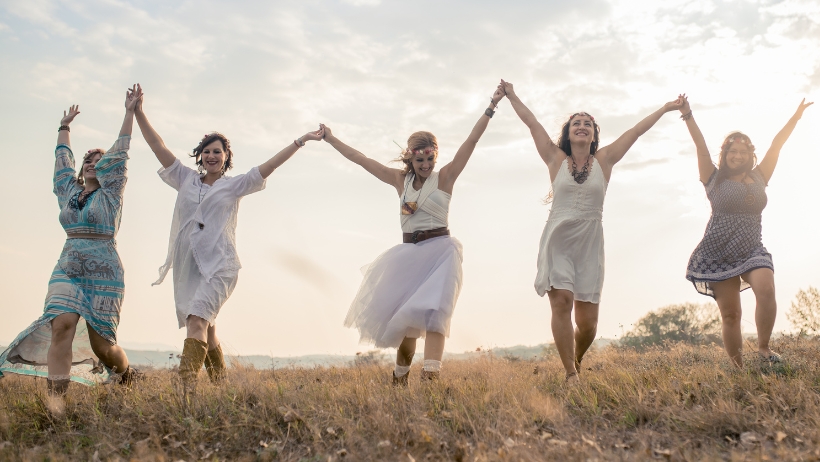
Our work centres on women and families who have experienced domestic abuse and coercive control, including those facing isolation, caregiving pressures, mental health challenges, addiction, or barriers to traditional services.
We recognise that recovery is rarely linear. Engagement may pause. Life may interrupt. Support must remain available regardless.
Safety & Safeguarding
Safety is not a statement on a wall. It is built into how we operate.
The Uplift Project has zero tolerance for abuse, neglect, discrimination, or exploitation . All facilitators and volunteers are trained in safeguarding, respond appropriately to disclosures of harm, and act in line with national safeguarding guidance.
Safeguarding is proportionate and pathway-based. Clear indicators of risk are responded to promptly and sensitively. Silence or absence alone are not treated as evidence of harm.
Our safeguarding practices are reviewed regularly and embedded across programme design and delivery .
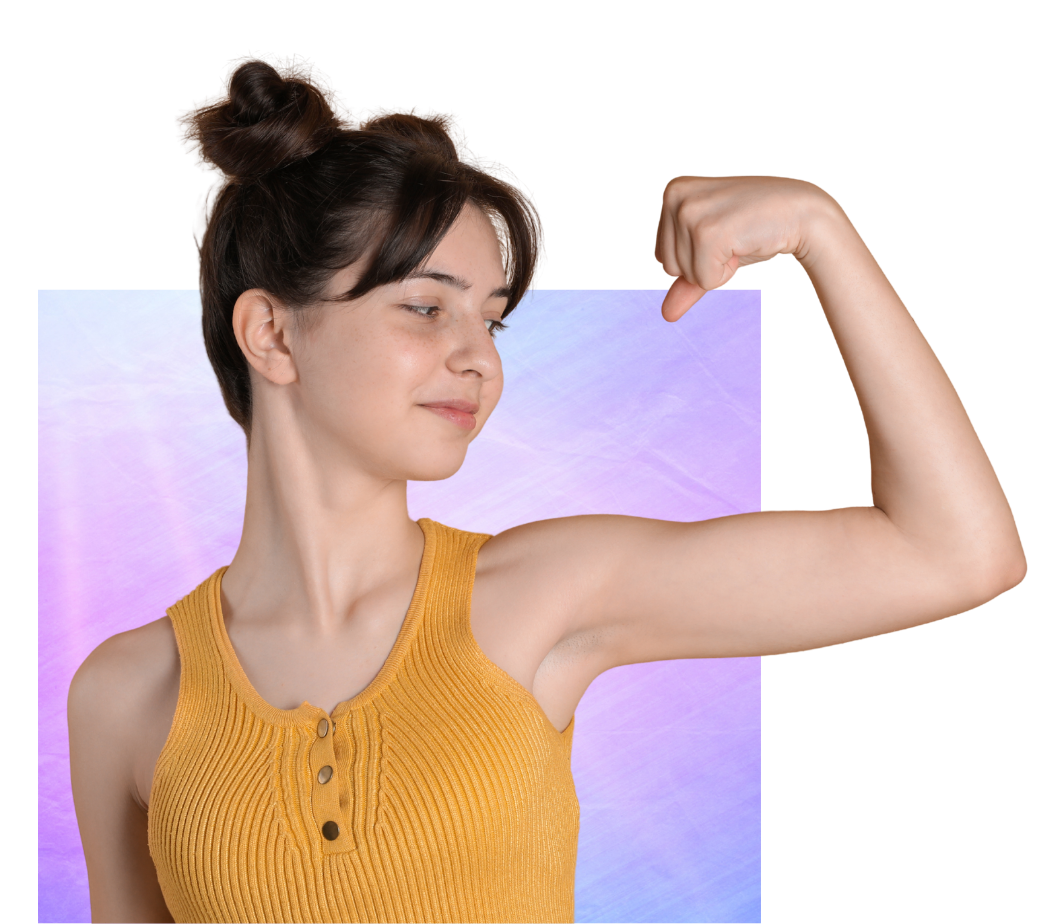
Community-Led, Locally Rooted
We are committed to delivering impactful, community-driven work across Donegal and beyond. Local voices shape local solutions.
Programmes are designed with, not for, the communities we serve.
This is not about fixing women.
It is about strengthening environments.
When access is stable and pressure is removed, women reconnect with themselves, with others, and with opportunity.
Confidence grows in small, steady ways. Isolation softens. Participation becomes possible again.